CHALLENGER The Fashion Pact Nolwenn Foray
2019년 G7 정상회담에서 프랑스 대통령 에마뉘엘 마크롱은 패션 산업이 직면한 환경 문제에 실질적으로 대응하자며 행동을 촉구했다. 이는 곧 ‘패션 팩트(The Fashion Pact)’라는 이름의 이니셔티브로 이어졌고, 이후 패션 업계의 여러 CEO가 이에 화답하여 본격적인 여정이 시작되었다.
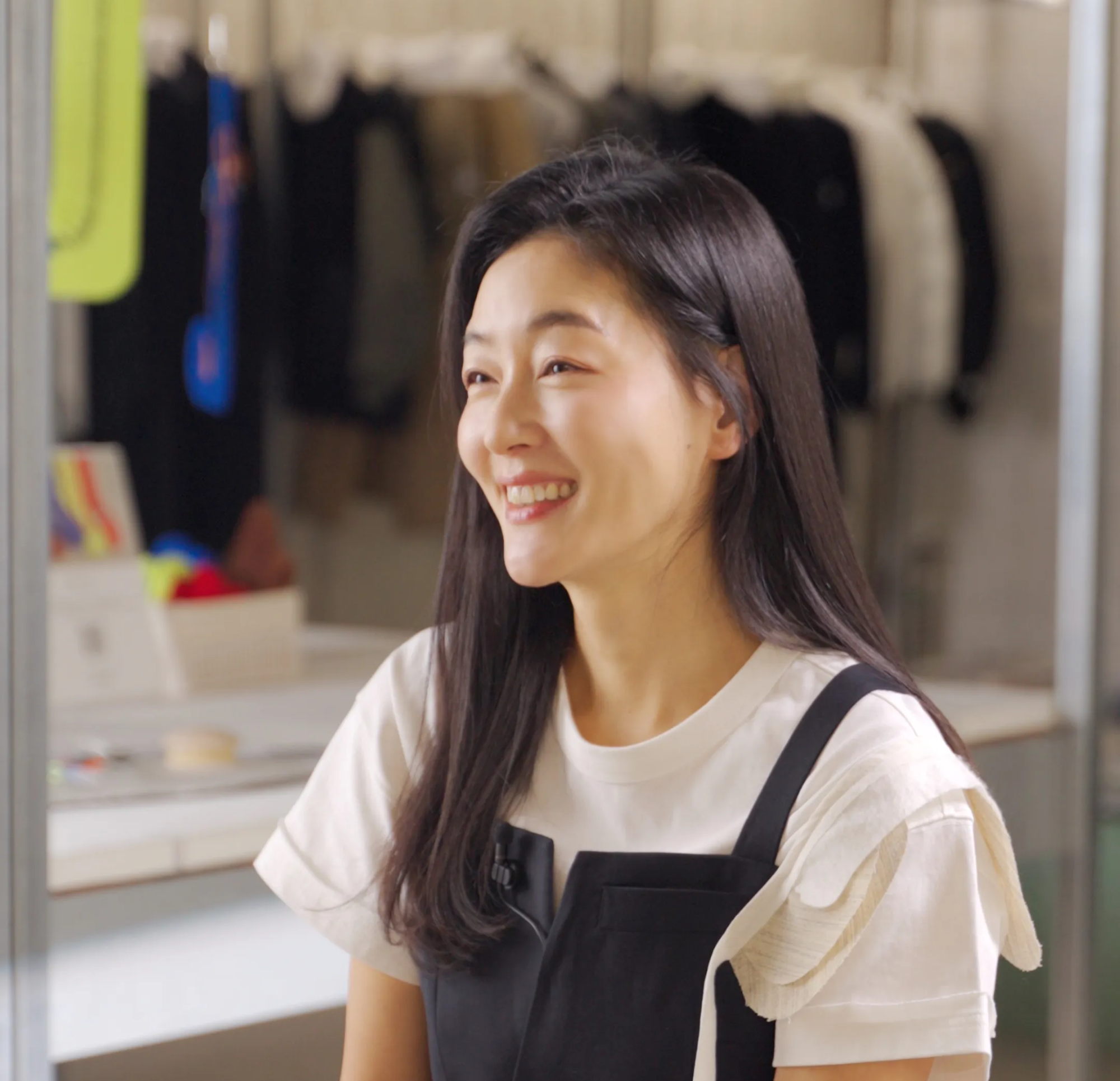
아디다스, 아르마니 그룹, 버버리, 그리고 한국의 코오롱FnC까지 – 17개국 160개 이상의 글로벌 패션 기업은 다른 배경과 경영 철학에도 ‘지속 가능성’이라는 공동의 언어로 뭉친다. 각자의 힘만으로는 메우기 어려웠던 지속 가능성의 공백(white space)를 함께 고민하고, 행동하며 채워 나가는 것이다. 이 과정에서 각기 다른 기업의 목소리를 조율하고, 함께 나아갈 수 있는 발판을 만드는 이가 있다. 바로 놀웬 포레이(Nolwenn Foray) 패션팩트 서큘래리티(Circularity) 프로젝트 매니저다. 그가 다년간 쌓은 경험을 통해, 경쟁보단 ‘연대’를 택하는 글로벌 패션 업계의 흐름과 업계 내에서 일어나는 변화를 들여다보았다.
At the 2019 G7 Summit, French President Emmanuel Macron called for concrete action to address the environmental challenges facing the fashion industry. This proposal soon took shape as an initiative called ‘The Fashion Pact’, and many CEOs across the fashion industry responded, marking the beginning of a new journey.
Today, brands like Adidas, the Armani Group, Burberry, and Korea’s Kolon FnC — over 160 global fashion companies from 17 countries — are coming together, united by a common language of sustainability, despite their different backgrounds and business philosophies. Together, they are identifying and addressing the “white spaces” — the sustainability gaps too difficult for any single company to tackle alone — through shared effort and action. At the center of this collaboration is We spoke with Nolwenn Foray, Circularity Project Manager at The Fashion Pact, who works to coordinate these diverse voices and build a common foundation for progress. Through her insights and experience, we take a closer look at how the global fashion industry is shifting away from competition and toward a future shaped by solidarity.
.png&blockId=24ffa57a-ee09-8194-807b-d97330b179e4)
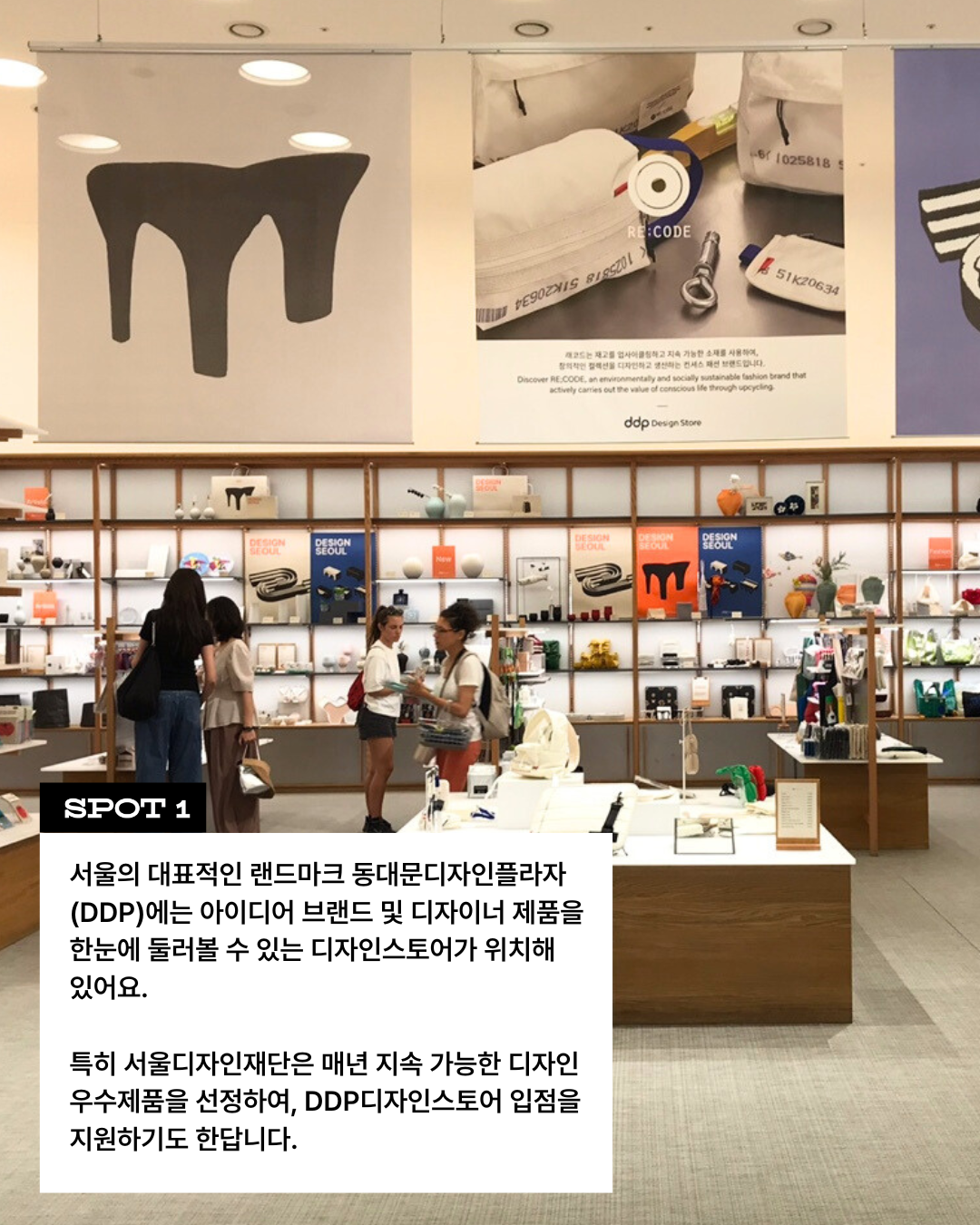
 | 동대문디자인플라자(DDP) 디자인스토어